HR as the Chief Architect of Work: Redefining Talent Leadership for the AI Era
The battle for securing top talent is outdated today. It's not confined to organizations, instead it's distributed across ecosystems of employees, contractors, partners, managed services and intelligent machines.
Artificial intelligence, hybrid work models, and changing employee expectations are the new norm, they're reshaping organization's standard operations. Hybrid work models involve people and intelligent systems operating side by side.
Human Resource admin are the most affected by technological changes. The challenge, however, extends beyond adopting new technology or streamlining processes. It requires rethinking on how HR restructure work, how to identify talent, and how to develop employees throughout their careers.
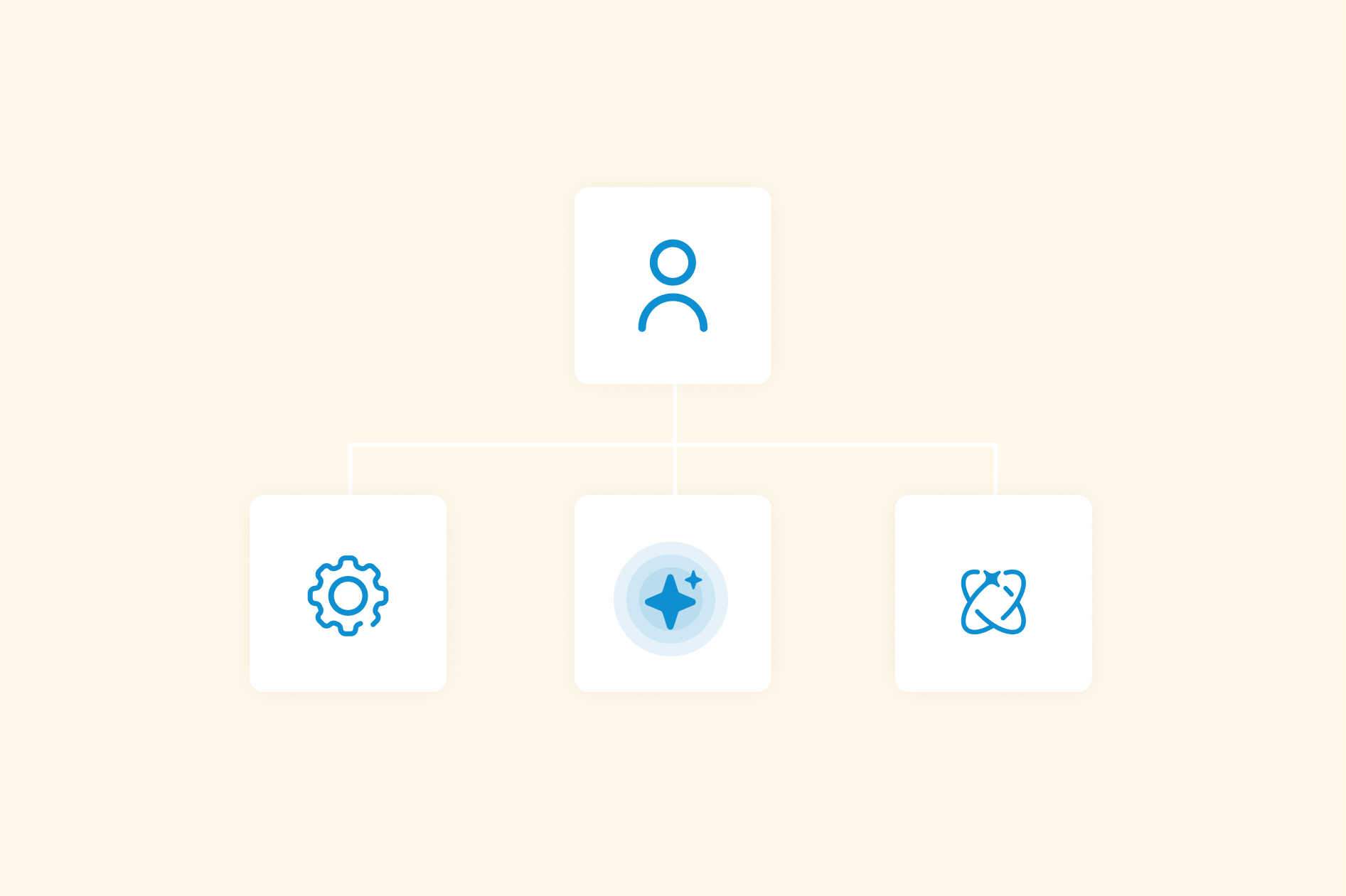
For this, HR can act as Chief Architects of Work, strategic partners responsible for system design, experiences, and capabilities enabling people and businesses to thrive. HR can make Employee Experience (EX), talent assessment, and continuous development the center of business strategy, thus moving beyond administration to shape organizational performance and long-term resilience.
The big question, however, lies in the future of HR in the AI era?
The Obsolescence of Admin HR: Why the Shift Is Non-Negotiable
If you think of human capabilities and AI as two species shaping one another's development, they refine one another through every interaction, prompt and dataset. The traditional talent acquisition followed hire, train, retain and promote, where skills evolved slowly and work was predictable. With the introduction of AI, we've moved beyond that world.
EY's Work Imagined Study 2025, found that 88% of workers are using AI at work, compared with just 22% in 2023 with signs of strong upward movement. As EY Global Learning and Development Leader Simon Brown put it "I think we’re at an inflection point now and growth is just going to get faster and more disruptive.”
Traditional HR departments focused on operational responsibilities, including leave tracking, payroll administration, onboarding paperwork, and employee record management, while essential are monotonous tasks, easily handed to automation.
Modern HR is embracing the shift to automation by handling routine tasks more efficiently, reducing manual workloads and allowing HR personnel to focus on higher-value priorities.
Processing requests quickly will not necessarily improve employee engagement, identify future leaders, or prepare an organization for emerging skills requirements. They need structure and balance. To accomplish this HR should ask the following;
· Which employees are ready for greater responsibility?
· Where critical capability are gaps emerging?
· Why are talented people leaving?
· Which skills will the organization need as AI changes existing roles?
Without structured talent insights and meaningful employee feedback, organizations risk making decisions reactively. They may recruit externally for capabilities already present internally, overlook high-potential employees, or discover development needs only after performance suffers.
The shift to AI or automation is not about eliminating HR administration. It is about using technology to reduce repetitive work while giving HR the capacity and authority to address the people-related challenges that influence business outcomes.
What Does It Mean to Be a Chief Architect of Work?
Instead of relying on rigid policies, a chief architect of work develops flexible, human-centered frameworks that support business objectives, while recognizing employees' needs and capabilities.
For easier understanding a chief architect of work designs the conditions people can perform, collaborate, and grow. Employee Experience becomes a design consideration across the employee lifecycle, from recruitment and onboarding to career development, performance feedback, and off boarding. Each touch point presents an opportunity to strengthen role clarity, trust, engagement, and organizational alignment.
It considers how humans and AI should work together. As HR hands over tasks to automation, HR must help leaders assess which responsibilities require human judgment, which AI can support, and what new competencies employees will need.
Objective assessments can help organizations match individuals to roles based on relevant skills, behavioral characteristics, and development potential. Combined with employee feedback, these insights provide a stronger foundation for decisions about recruitment, mobility, leadership readiness, and workforce capability.
HR leaders exploring this transition, can visit Zenithr's site for information on strategic talent assessments and employee experience design, which offers useful starting points for connecting talent decisions with the wider employee journey.
Core Pillars of Modern Talent Leadership in the AI Era
Modern talent leadership requires an integrated approach connecting employee experience, data-driven talent assessment, and continuous development. In the AI era, these three pillars help HR leaders understand workforce capabilities, anticipate changing skills requirements, thus creating meaningful growth opportunities.
1. Continuous Employee Experience Architecture
HR cannot understand employee experience through a single annual engagement survey. It develops through everyday interactions with managers, colleagues, systems, and organizational culture.
A continuous EX strategy establishes feedback mechanisms throughout the employee lifecycle. Onboarding surveys can identify uncertainty among new hires, engagement feedback can reveal concerns within teams, and well-being measures can highlight workplace pressures. Exit feedback can also help HR investigate recurring reasons for employee departures.
The value comes from acting on these insights. If employees report unclear expectations or limited career opportunities, working with managers will help identify practical changes, assign responsibility, and monitor progress.
Businesses can use Zenithr's employee experience solutions to explore structured feedback across onboarding, engagement, well-being, happiness, and exit experiences.
2. Data-Driven Talent Assessment
Traditional hiring methods, like CV screening, and interviews are limited by identifying the competencies, including the soft skills of employees. Subjective judgments can also introduce inconsistency into recruitment, promotion, and performance decisions.
By using data driven talent assessments, recruitment is instead based on measuring role-specific skills, and behavioral tendencies. Psychometric assessments, technical evaluations, and competency-based assessments are also available to HR to complete the individual's picture of strengths and development needs.
Competency mapping can reveal strong capabilities, training required, and employees suited to new responsibilities. Assessment results should complement professional judgment instead of replacing it with fair attention.
3. Continuous Talent Development
Leveraging assessment insights to build hyper-personalized growth paths and up skilling frameworks in real time.
The following step after identifying a skills gap is translating assessment findings into practical development opportunities that meet the individual aspirations and organizational goals.
HR can use assessment insights to shape personalized development plans. These might combine targeted courses, mentoring, stretch assignments, coaching, or applying new skills in real working environments.
As AI changes job responsibilities, HR personnel should review development plans regularly. This helps to identifying areas where employees may require digital literacy strengthening, critical thinking, communication, or leadership skills with technical expertise.
Structured Individual Development Plans (IDPs) help translate talent insights into specific objectives and actions. HR can evaluate through follow-up assessments, manager feedback, and improved workplace capability.
Actionable Steps for HR Leaders to Build Their Blueprint
Moving toward an architectural approach requires practical changes. To achieve an efficient, effective and successful approach, HR can do the following:
Audit how HR time is spent
Identify the hours employees engaged in repetitive administration, manual reporting, and processes they can simplify or automate. In which case, they can redirect the capacity toward workforce planning, employee experience improvements, leadership development.
Build technology and AI literacy
HR professionals do not need to become software engineers, instead they should understand AI tools, people analytics, and talent assessment platforms.
However, they must also recognize the automation limitations, protect employee data, while ensuring that technology strengthens instead of undermining fair treatment.
Redefine success metrics
HR personnel should examine retention quality, proficiency time, internal mobility, engagement trends, assessment effectiveness, including progression towards identified skills gaps.
For example, if assessments reveal a shortage of leadership capabilities, HR can track whether targeted development improves promotion readiness. If engagement feedback identifies problems with role clarity, HR can monitor whether corrective action improves employee experience design.
HR Is Becoming the Architect of Organizational Performance
Human Resources' future lies in moving towards a central role in business strategy. While automation improves administrative efficiency, sustainable organizational performance depends on understanding people, identifying capabilities, designing employee experiences, and preparing talent for changing demands.
The Chief Architect of Work brings these responsibilities together. By integrating continuous employee feedback, objective talent assessment, and personalized development, HR leaders can build organizations that respond more effectively to technological change while maintaining a strong human focus.


People also read...



Turn these insights into actions for your people