The ROI of Culture Assessment: Proving the Financial Impact
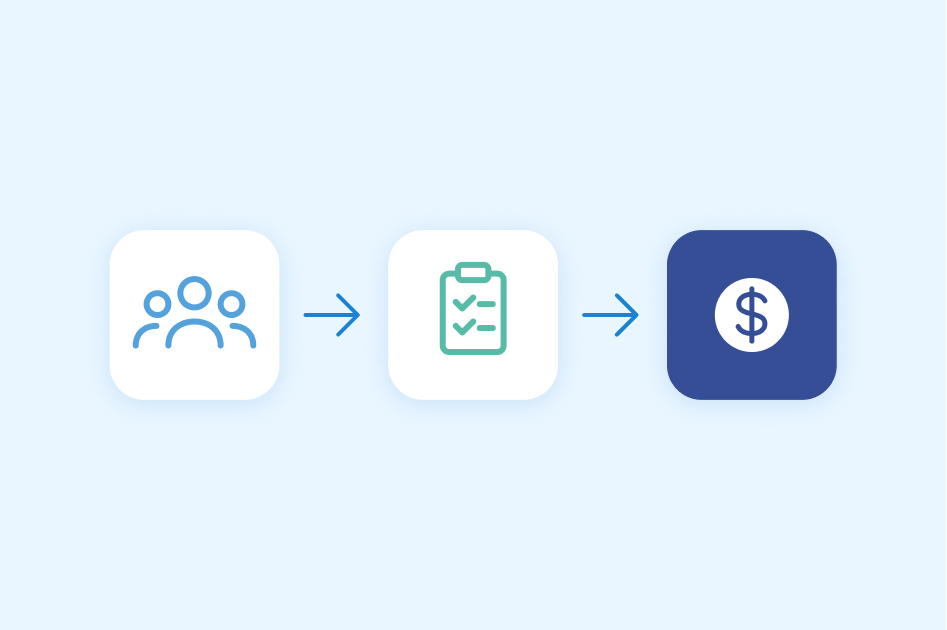
Key employees quit without warning. Important projects miss deadlines. Managers struggle to keep their teams focused. When these problems happen, leaders usually review sales goals or recheck budgets. But most of the time, the real problem is hidden inside the company culture.
Bad culture is not an HR problem...it is a hidden cost eating your profits.
For years, company culture was seen as something "nice to have" free coffee, team lunches, or poster slogans. But today, ignoring how your people actually feel and work is a big financial risk. Poor culture directly leads to high hiring costs, slow output, and lost revenue.
Measuring your workplace culture is not just about keeping people happy. It is about protecting your bottom line. A structured culture assessment turns employee feedback into clear financial data that CEOs, CFOs, and HR leaders can use immediately.
1. The Real Cost of Bad Culture
- 1.5x to 2x Salary Cost: What it costs to replace a single departing mid-level employee.
- 60%+ of Resignations: Caused directly by toxic subcultures, bad management, and poor communication.
- 18% Drop in Productivity: The measurable performance loss across disengaged teams.
Before calculating your return on investment, look at what poor culture is costing your organization every month:
A. High Employee Turnover
When culture deteriorates, your best talent leaves first. Replacing a skilled employee costs up to 2x their annual salary in hiring fees, onboarding time, and lost work. Over 60% of these departures happen because of poor communication and bad management...issues that exit interviews reveal too late.
B. Silent Disengagement
Employees who stay don't always give 100%. When teams feel unappreciated or unheard, productivity drops by 18%. Deadlines get missed, and work quality suffers across every department.
C. Failed Company Restructuring
Nearly 90% of business mergers and structural changes fail to reach their revenue goals. The reason is simple: leaders try to merge workflows without checking if the people and corporate cultures fit together first.
2. How to Measure the ROI of a Culture Audit
To win budget approval from executive leadership, HR needs to speak the language of profit and loss.
Platforms like Zenithr help enterprise teams measure workforce health, stop talent loss early, and turn qualitative feedback into direct cash savings.
Simple Culture ROI Formula
3. Getting C-Suite Buy-In for Culture Audits
Executives want quick, practical answers. To get fast approval for your culture assessment, focus on three simple points:
- Connect Culture to Business Goals: Show how fixing team trust speeds up product releases or how improving leadership clarity reduces costly operational mistakes.
- Use Clear Data, Not Guesses: Show how your company compares to industry benchmarks across the region using real metrics.
- Provide Clear Next Steps: Frame the assessment as a quick health check that shows exact areas to fix, saving money immediately.
4. What to Do After You Get Your Results
Collecting employee data only works if you take action. Follow this 3-step checklist to make your assessment successful:
- Share Results Openly: Give your teams honest feedback within 14 days. Showing you listen builds instant trust.
- Fix Top 2–3 Problems First: Don't try to change everything at once. Focus on the main issues driving people away.
- Track Progress Regularly: Keep checking cultural health alongside monthly revenue targets.
Old surveys ask how people feel. Modern culture assessments show how to protect your team, boost performance, and increase your profits.


People also read...


Turn these insights into actions for your people